September snow captured by Sentinel-2

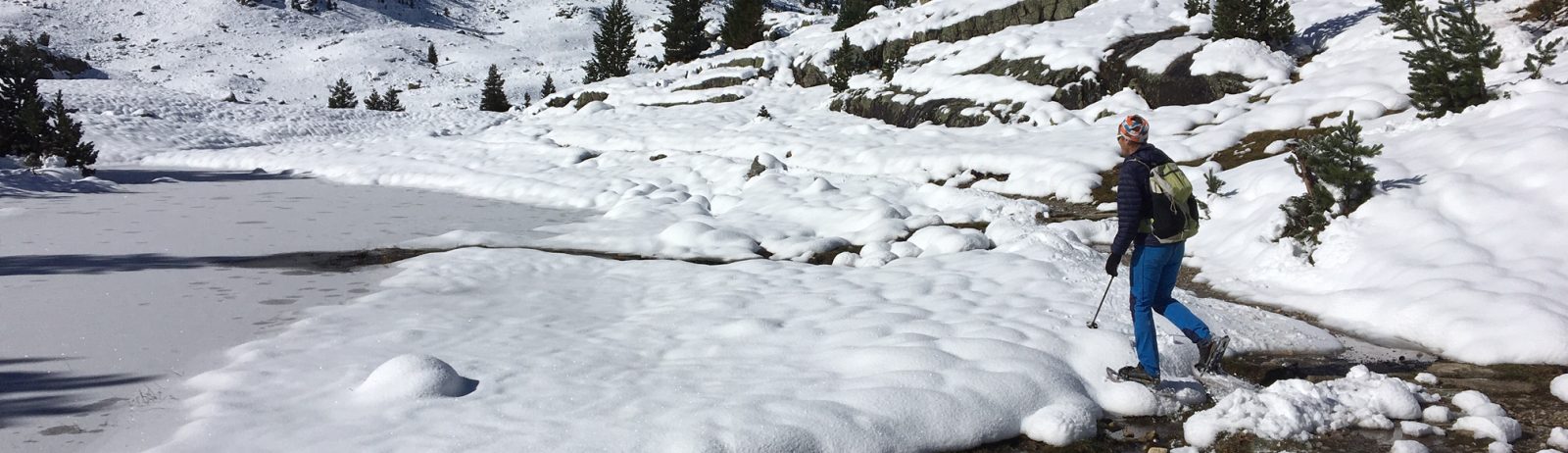
A sunny Sunday just after an exceptional late-September snowfall… That’s already a stroke of luck. But the passage of Sentinel-2 on the same day makes this weekend even more special!

The snow cover map was immediately processed and distributed by the new Copernicus Snow & Ice monitoring service powered by Cesbio’s algorithms! You can explore it in your web browser here.
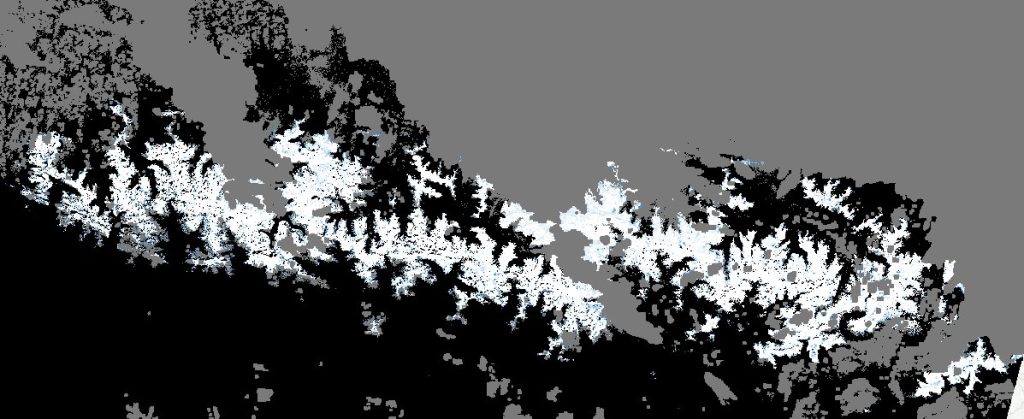
Sentinel-2 fractional snow cover map (white = 100% snow, black = 0% snow, grey = cloud) (Source)

Ground validation was performed on Sunday in the beautiful Vallée du Marcadau by students from ENS geosciences master program who were visiting the region as part of their field trip with Pierre René (association Moraine).



Plus d'actualités

Sentinel-2 overtakes Landsat in scientific litterature

The OpenAlex is a new but already very convenient open database to survey scientific litterature. For a coming blog post on CNES Datacampus site, I studied the proportion of papers using only one of the Sentinel-2 or Landsat missions, and papers using both of them, in 2025. And what stroke me is that Sentinel-2 just […]

Everything, Everywhere, All at Once

This blog post is not a review of the excellent and deeply philosophical, parallel-universes delirium movie by Daniel Kwan and Daniel Scheinert, but the title of this drama resonates with the capabilities of our latest algorithm, which has just been published in Remote Sensing of Environment: J. Michel and J. Inglada, « Temporal attention multi-resolution fusion […]

Three Sentinel-2 satellites instead of two: impact on the retrieval of the snow disappearance date

Due to the success of Olivier’s petition, ESA kept Sentinel-2A operational after the launch of Sentinel-2C. Having three operational satellites instead of two increases the revisit, which should improve the quality of the derived products, and therefore the reliability of operational services based on Sentinel-2 data. One of this service is the Copernicus’ High Resolution […]

Rechercher