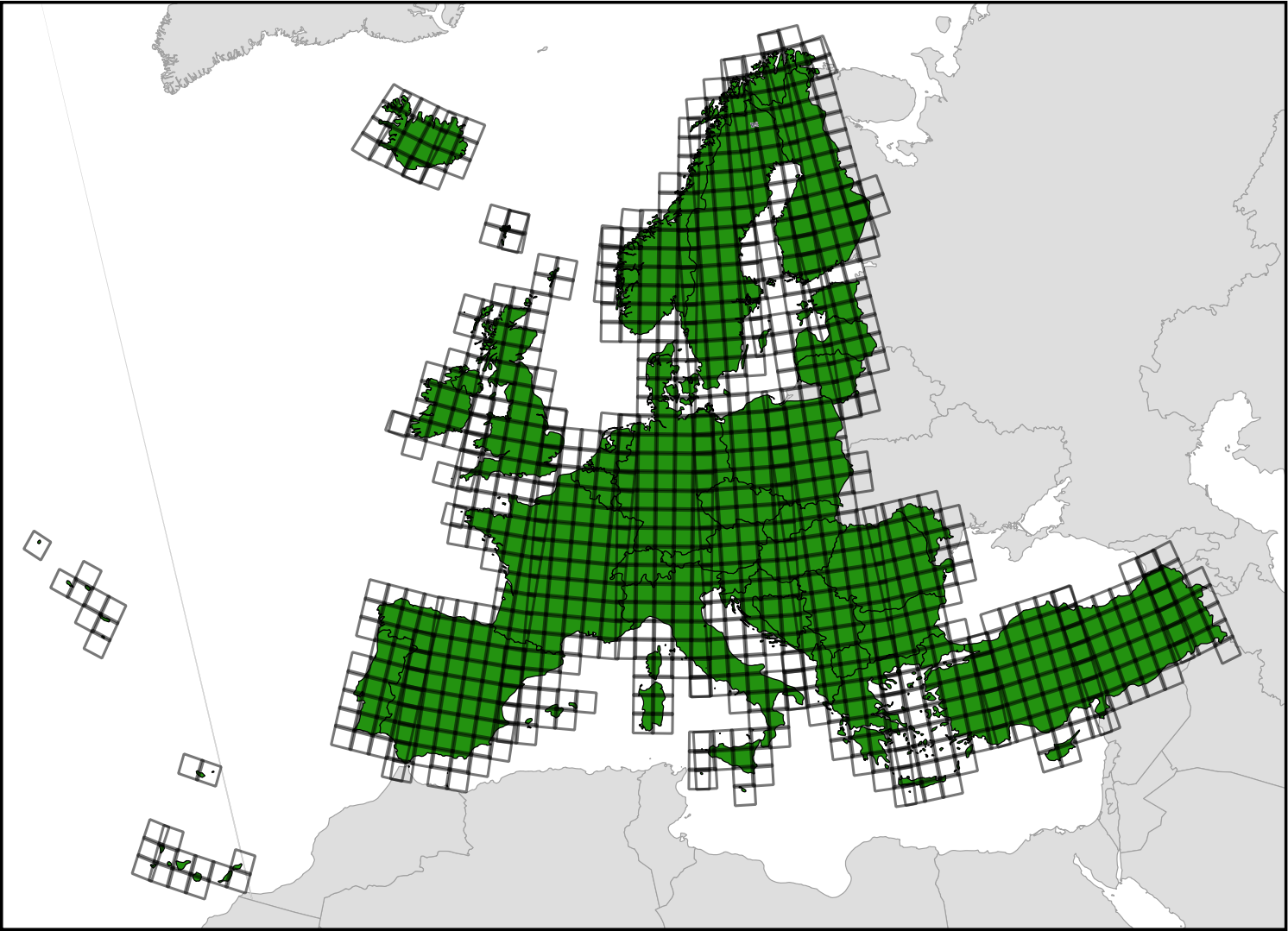
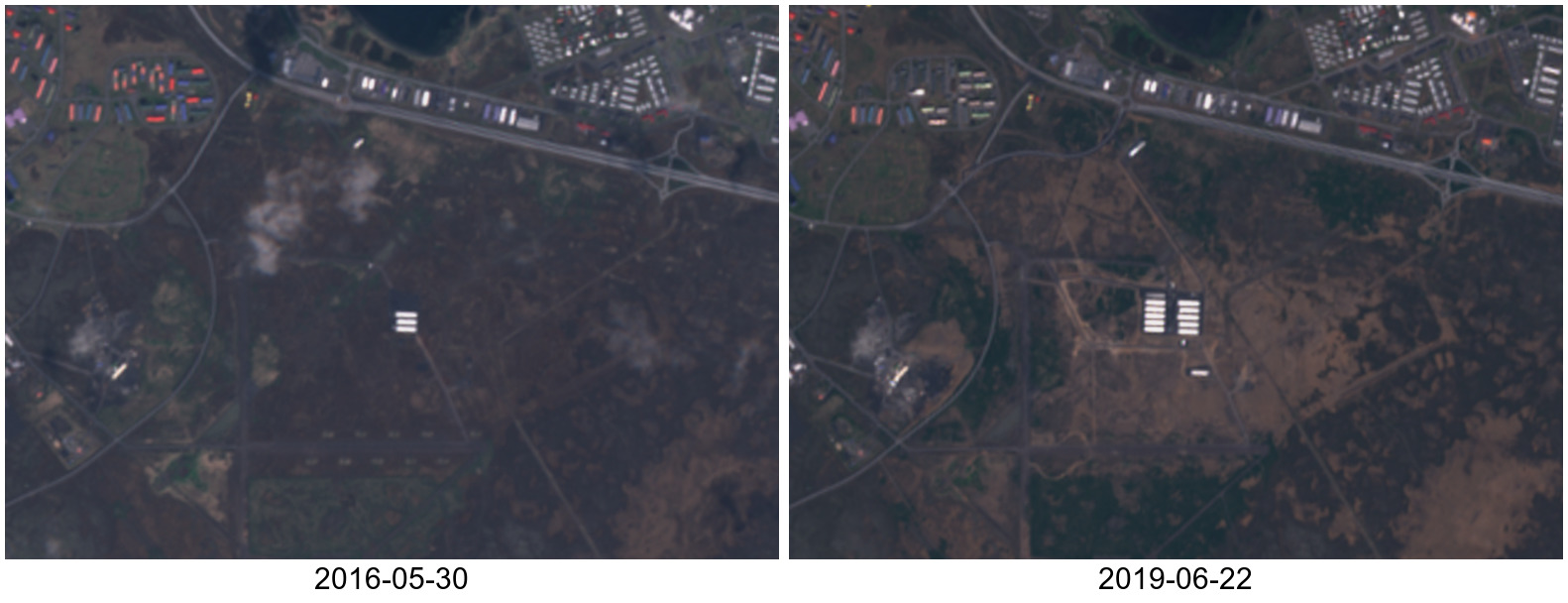
Sentinel-2 captures new data centers in Iceland
In a remote sensing study published in Nature, the authors claimed that they used « 101 CPU-core years of computation (..) within the Google data centres ». This made me wonder what could be the carbon footprint of such a study?. I estimated that it should be 65 tonnes of carbon dioxide, but a Google engineer replied:
Google purchases enough renewable energy to offset 100% of its energy use for its offices and data centers.
In just a few years, the company has made an impressive move to renewables, true to its famous motto « don’t be evil ». Google is the largest corporate purchaser of renewable energy on the planet. However, it’s better to save energy than to buy renewable energy, as explained by Forbes:
It is true that Google is buying all its electricity from renewable sources, but it is unlikely that all the electricity it is using comes from renewable sources. This is because solar and wind, Google’s choices for renewable sources, are both variable, while Google’s electricity demand is not. In other words, there are times and locations when Google must use electricity that comes from traditional sources, while simultaneously the electricity generated from the renewable projects funded via Google’s PPAs is curtailed and lost.
To save energy (and cost), large tech companies are moving data centers in Nordic countries like Iceland to take advantage of the « free air cooling ». Moreover in Iceland the electricity production relies primarily on hydropower and geothermal heat.
This is how it looks inside these buildings:
However, even Icelandic data centers based on carbon-neutral energy can be problematic. We as scientist could also save energy by carefully evaluating the advantage of using computationally-intensive algorithms as done here by Jordi Inglada. For example, we could use the energy consumption of an algorithm as a weighting factor of standard performance metrics like the RMSE or the kappa coefficient. The implementation of the algorithm should also be considered as it can drastically change its energetic performance.