
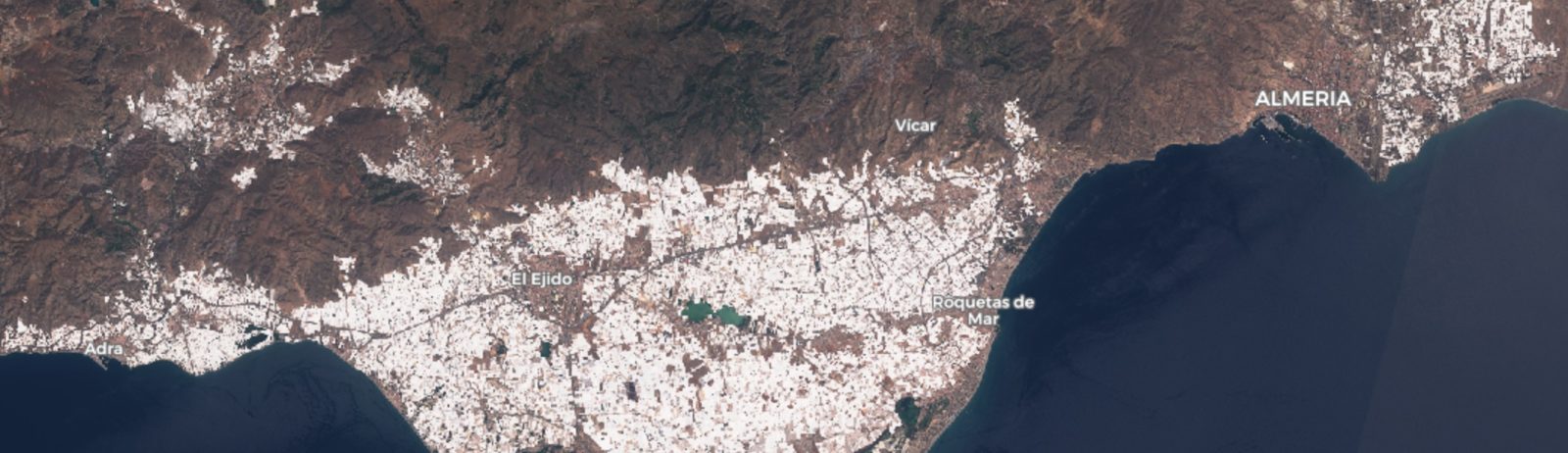
Whitewhashing the Plastic Sea near Almería

Almería province in Spain is « one of the most recognisable spots on the planet from the lens of a passing satellite. The roofs of tens of thousands of closely packed plastic greenhouses form a blanket of mirrored light beaming into space. » (The Guardian).
True color image Sentinel-2 on 22 Aug 2018

Greenhouses in Almería are typically made with transparent plastic to increase the air temperature near the crops. This enables to boost the yield and to harvest earlier than in open field. However, in summer, the temperature increases too much and must be reduced to maintain more suitable conditions for plant growth. Natural ventilation is generally not sufficient to evacuate the heat during sunny days. Therefore, the farmers cover the roofs of the greenhouses with white painting to reduce the incoming solar radiation (Baille et al. 2001). This operation is called blanqueo in Spanish.
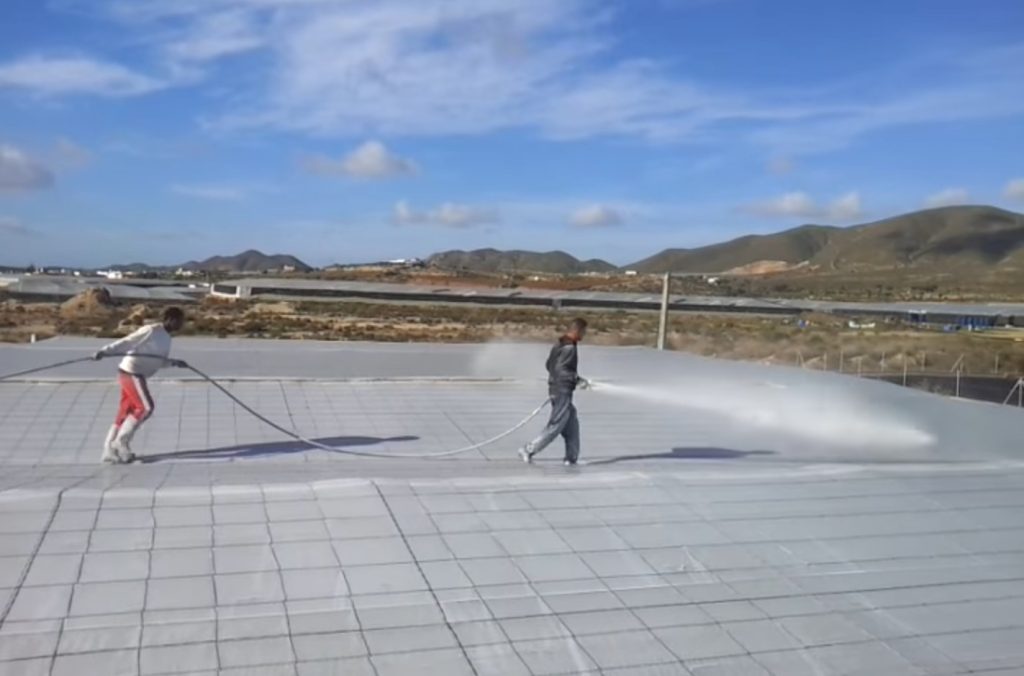
Capture from « Blanqueo Paco Gomez » advertisement video (click on the picture to watch it in youtube)

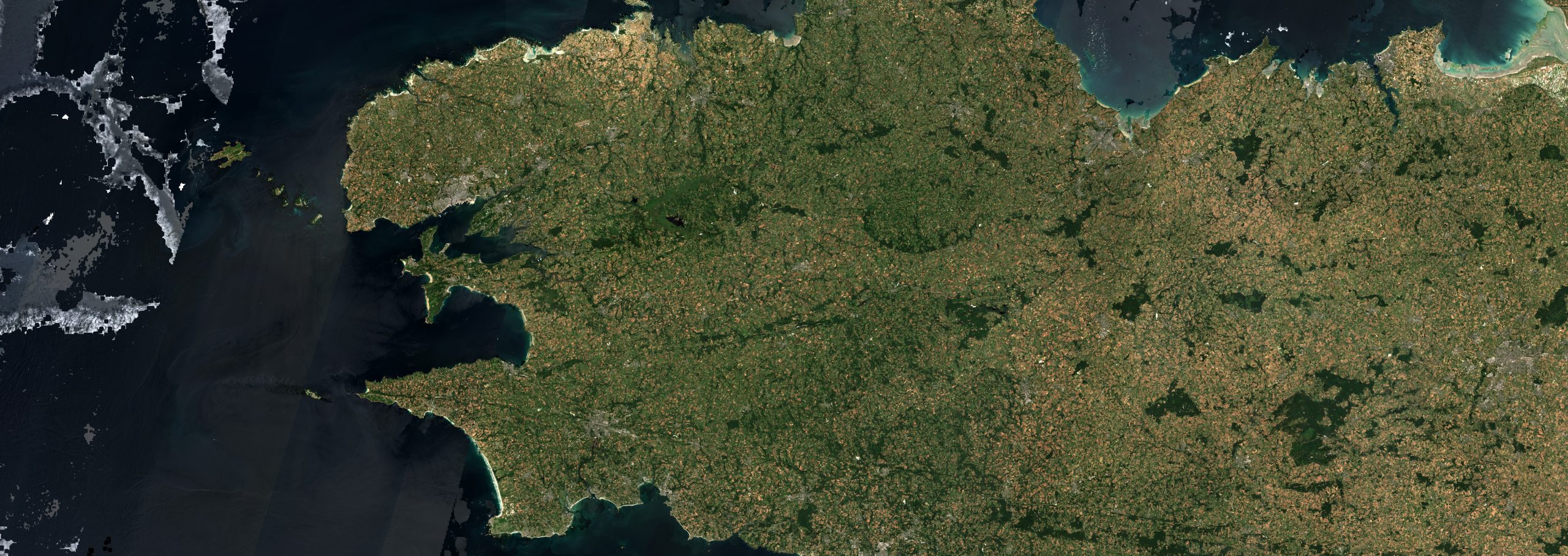
Now, this is how it looks from space.. almost like the phenological development of natural vegetation! This is a sequence of 55 Sentinel-2 clear-sky images all acquired in 2018.

References

Baille, A., Kittas, C., & Katsoulas, N. (2001), Influence of whitening on greenhouse microclimate and crop energy partitioning, Agricultural and forest meteorology, 107(4), 293-306.

https://twitter.com/sgascoin/status/1032993061566132224

Plus d'actualités

The missing link to valorize CESBIO’s applicative research works

=>  My colleagues at CESBIO are extremely creative! Over the past ten years, they have developed a wide range of new products and methods for extracting information from Copernicus data. They don’t just develop and validate the method on a few sites; they continue their work until they have produced data for the whole of […]

Le chaînon manquant dans la valorisation des travaux de recherche en télédétection

=> Mes collègues du CESBIO sont très créatifs ! Ils ont mis au point, au cours des dix dernières années, un grand nombre de nouveaux produits et de méthodes d’extraction de l’information à partir des données Copernicus (Sentinel-1 et 2). Et bien souvent, ils ne s’arrêtent pas à la mise au point de la méthode […]

Sentinel-2 overtakes Landsat in scientific litterature

OpenAlex is a new, yet already very useful, open database for exploring scientific literature. For an upcoming blog post on the CNES Datacampus website, I analysed the proportion of papers that used only one of the Sentinel-2 or Landsat missions, as well as those that used both, in 2025. What struck me was that Sentinel-2 […]

Rechercher