
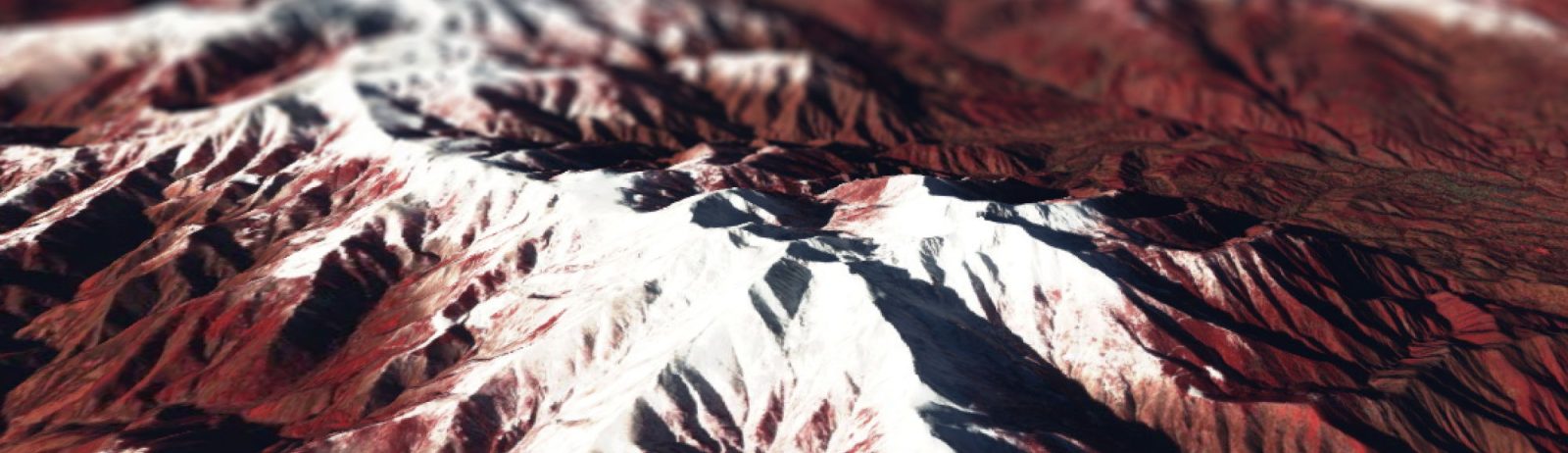
Canigou 3D

Lo Canigó és una magnòlia immensaque en un rebrot del Pirineu se bada- Jacint Verdaguer i Santaló


The Canigó is an immense magnoliathat blooms in an offshoot of the Pyrenees
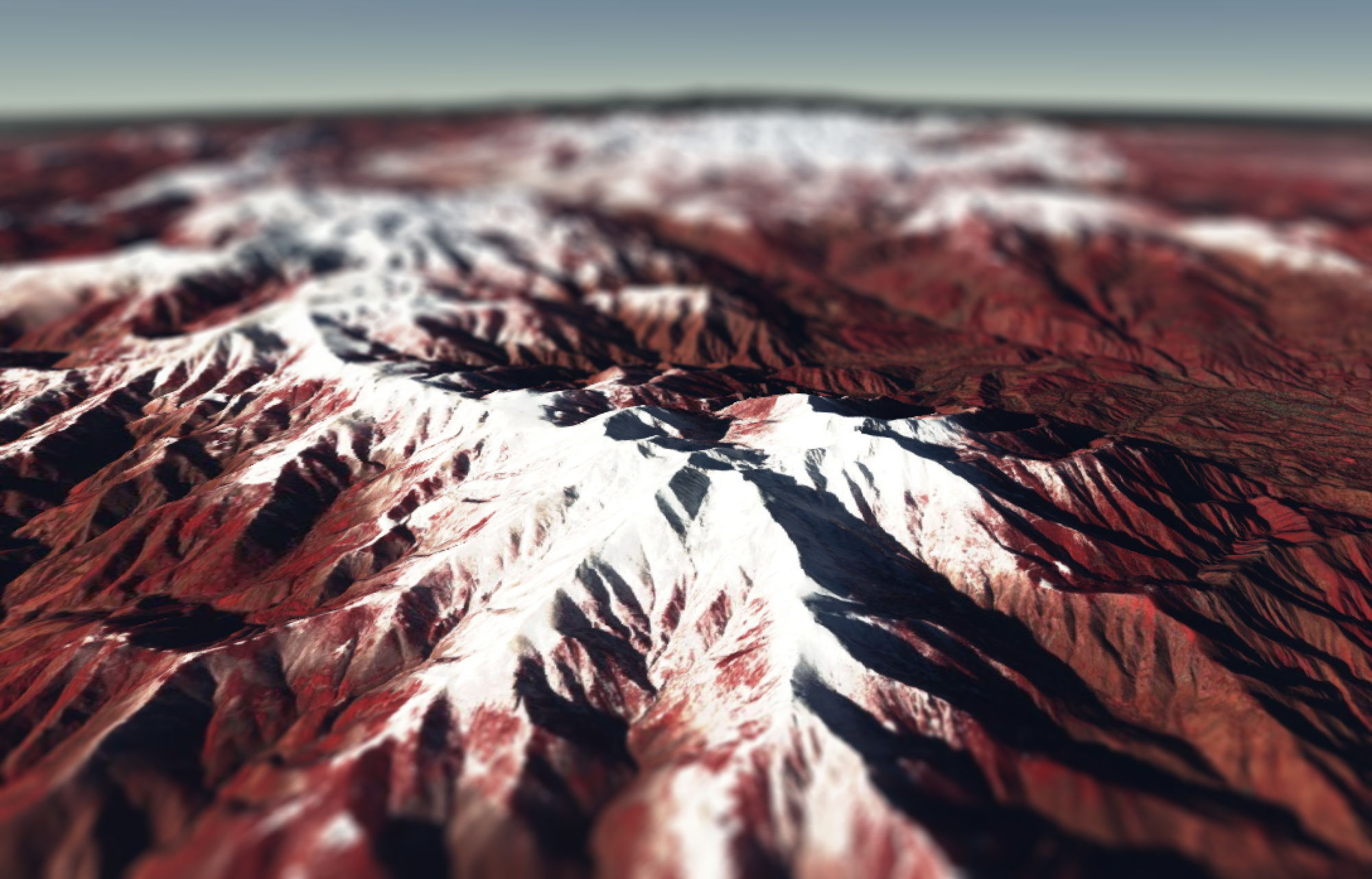
 

3D view of the Canigou on 19-Dec-2017 (with a fancy tiltshift effect)

The Cesium library enables to interact with 3D models of the Earth surface in your browser. In combination with the Sentinel-Hub WMS service, it makes it possible to drape any Sentinel-2 image on a digital elevation model to visualize it in 3D. In his great post about Color Correction with JavaScript, Miha Kadunc of Sinergise illustrated this possibility with Monte Sarmiento in Patagonia. Here, I just re-used his code to make a 3D model with the latest Sentinel-2 image (19-Dec-2017) of one of my favorite mountain, the Canigou.

See and edit code in full screen

The snow season started early this year in the Pyrenees mountains, especially in the French Pyrenees.

Update on 03 April</ins, another example use of Cesium:

Plus d'actualités

Near real time snow cover maps in the Copernicus Browser!

Copernicus provides near real time snow cover maps at 20 m resolution (fractional snow cover, code name: FSC OG). These products have been recently reprocessed and are now available through the Copernicus Data Space Ecosystem (CDSE) API and visualization tool, the Copernicus Browser! The latter is very useful to explore the data, for example if […]

Suivi du manteau neigeux dans les parcs naturels des Alpes franco-italiennes

Dans les Alpes, le manteau neigeux est un stock d’eau saisonnier naturel dont dépendent la faune, la flore et les humains pour de multiples usages (refuges, bétail, etc.). Dans le cadre du projet ACLIMO financé par le programme européen Interreg ALCOTRA, le Cesbio a été sollicité pour mettre en oeuvre un outil d’estimation de l’équivalent […]

The missing link to valorize CESBIO’s applicative research works

=>  My colleagues at CESBIO are extremely creative! Over the past ten years, they have developed a wide range of new products and methods for extracting information from Copernicus data. They don’t just develop and validate the method on a few sites; they continue their work until they have produced data for the whole of […]

Rechercher