
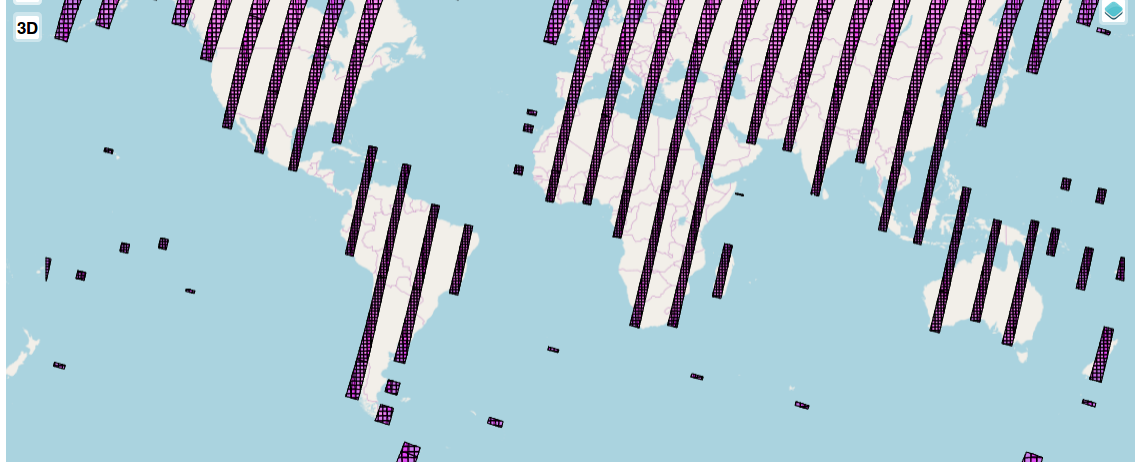
Sentinel-2 goes global
 Great news ! As announced in Sentinel-2 Mission status, laser links to geostationary relay satellites are now working, both for S2B (since last October) and S2B (since a few days ago). Sentinel-2 5 days repetitivity is now nominal above all lands, and that’s cool ! A big thank you to ESA, Copernicus and all the engineers who strived to achieve that !
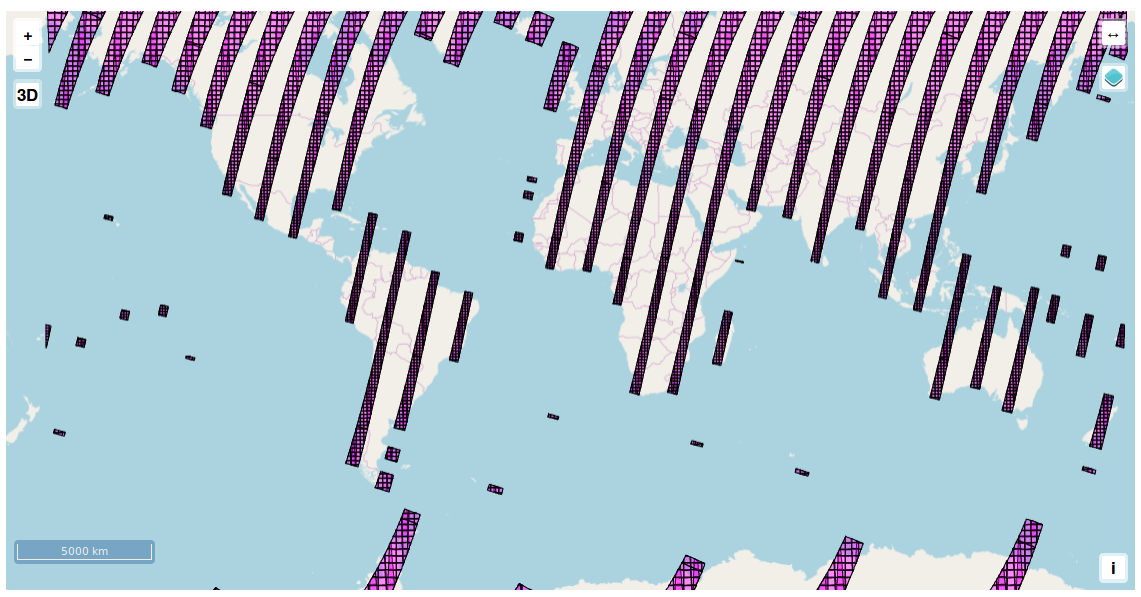

Une grand nouvelle ! Comme annoncé dans le « Sentinel-2 Mission status », les liaisons par laser vers un satellite relais géo-stationnaire fonctionnent, à la fois pour S2B (depuis Octobre 2017) et S2A (depuis quelques jours). Les deux Sentinel-2 observent les 5 continents avec la répétitivité nominale de 5 jours, et c’est chouette ! Un grand merci à l’ESA, Copernicus et tous les ingénieurs qui ont permis cette réussite !