Sample images from VENµS new phase are available
Here are some long awaited news about the VENµS VM5 phase. The acquisitions started end of March 2022 with the following list of sites, and should go on for at least one year, and maybe more depending on the consumption of fuel (Hydrazine) to maintain the orbit. Most of the sites are acquired with a daily revisit, and some sites with a two day revisit, as displayed on this map (which should be updated, because there have been some changes).
As you have probably noticed, we are a bit late in delivering VENµS products and we would like to apologize about it. The verification phase of the instrument and processing showed that a new calibration phase was needed :
- the radiometric team had to recalibrate the instrument as it is now used with different integration times and gains
- they noticed that some gains of the elementary detectors evolved, and that the models we used to correct for spikes that cause the appearance of bright and dark columns had to be revised
- the geometric calibration was checked, and as we have new sites, the production team had to prepare new reference images
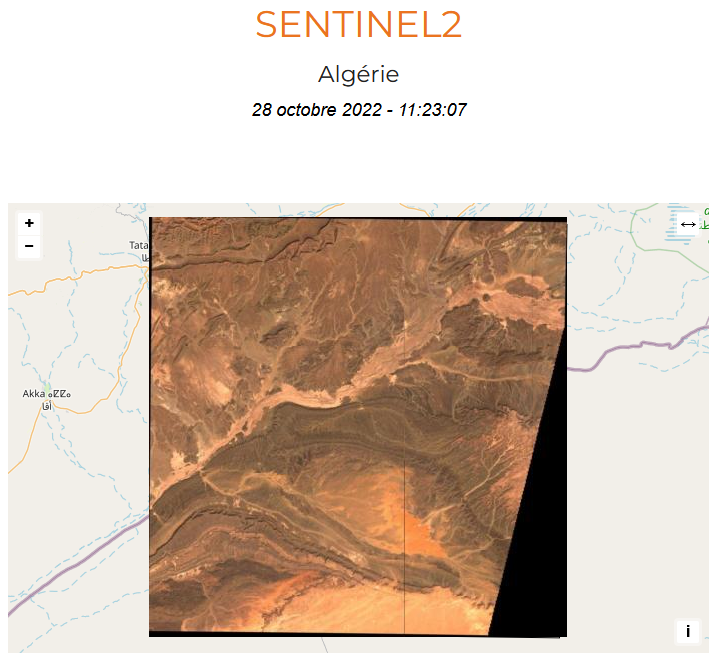
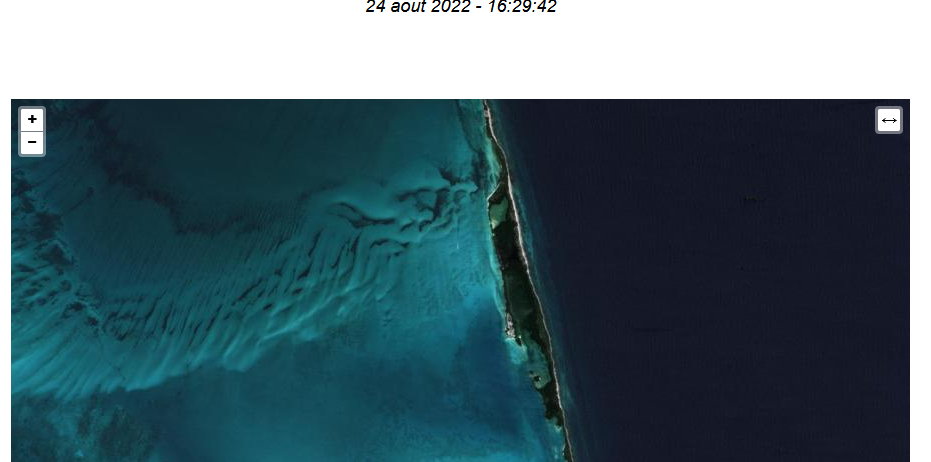
This takes more time than anticipated, and we now plan to release the L1C products in November and the L2A shortly after (we need to validate a bit after the calibration is finalized). Just in order for you to see how the selected sites look when seen by VENµS, we have decided to publish one or two valid L1C images per site, except for the sites in Israel, handled by our Israeli partners. These images are accurately ortho-rectified but don’t have the final calibration and detector normalization, so please don’t draw definitive conclusions from this first set. Some issues in the display of the images in the distribution site have been noticed too.

You may get them directly from this address, or from the usual Theia website : https://theia.cnes.fr and select the “VENµS VM5 L1C TEST” collection.
Feedback is welcome !
And finally, as you can see, it is not Gérard Dedieu who writes this post. Gérard retired two years ago already, but kindly accepted to go on being the French PI for the VENµS mission. He did most of the work to read the proposals and select the VM5 sites with the help of VENµS exploitation team. He now wishes to have more time for all his activities. He asked me to take over as the French VENµS PI. I accepted this proposal as most of the work has been done (thanks a lot Gérard !), and as I have been working on VENµS from the start in the shadow of Gérard (What a shadow 😉 ). Gérard still wishes to be kept informed about what you will find from VENµS data sets.